Best CRM Solutions for Small Businesses in the U.S. (2024 Guide)
Customer Relationship Management (CRM) systems are no longer a luxury; they’re a necessity for small businesses in the U.S. aiming to thrive in today’s competitive landscape. A well-chosen CRM can streamline operations, boost sales, improve customer satisfaction, and provide valuable data-driven insights to inform strategic decisions. However, with a plethora of options available, selecting the right CRM can feel overwhelming. This comprehensive guide will help U.S. small business owners navigate the CRM landscape and choose the solution that best fits their needs and budget.
Background: Why Your Small Business Needs a CRM
In the past, managing customer interactions relied heavily on spreadsheets, email threads, and individual employee knowledge. This approach is inefficient, prone to errors, and makes it difficult to gain a holistic view of customer relationships. A CRM system centralizes all customer data – contact information, interactions, purchase history, support tickets, and more – into a single, accessible platform.
Here’s why a CRM is crucial for U.S. small businesses:
- Improved Customer Relationships: A CRM allows you to personalize interactions, understand customer needs, and provide proactive support, leading to increased customer loyalty and retention.
- Streamlined Sales Process: From lead capture to closing deals, a CRM automates tasks, tracks progress, and provides valuable insights to optimize your sales pipeline.
- Enhanced Marketing Effectiveness: CRM data allows for targeted marketing campaigns, personalized email marketing, and better understanding of customer preferences, leading to higher conversion rates.
- Increased Efficiency: Automating tasks, centralizing information, and improving communication across departments frees up valuable time and resources for your team.
- Data-Driven Decision Making: CRM analytics provide insights into customer behavior, sales performance, and marketing effectiveness, allowing you to make informed decisions based on data, not guesswork.
- Scalability: As your business grows, a CRM provides a scalable solution to manage increasing customer data and complexity.
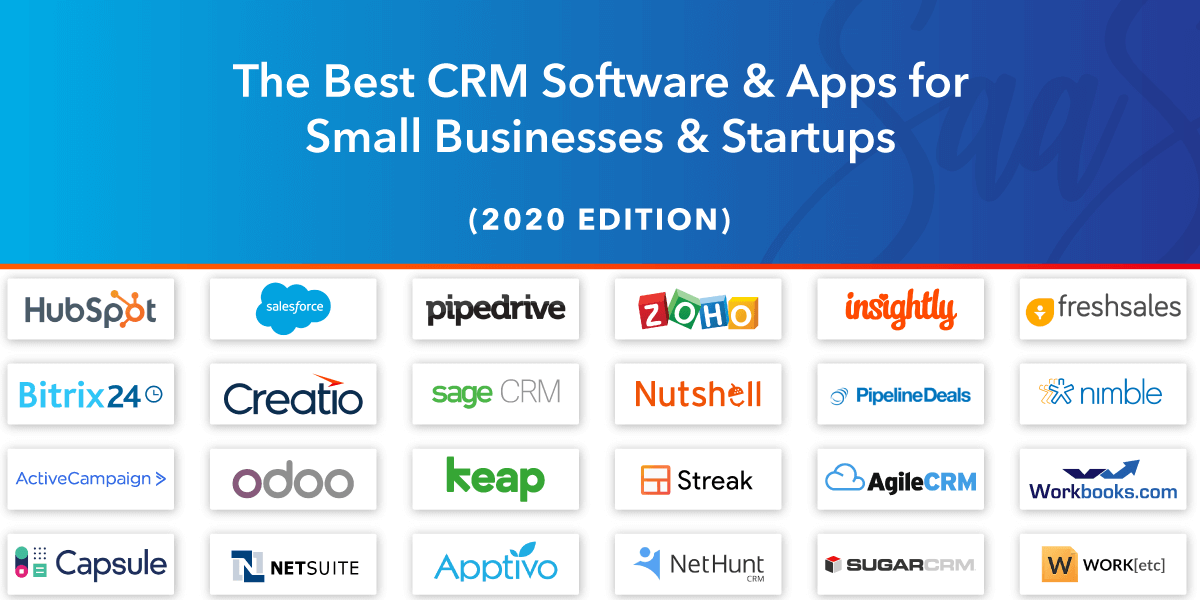
Choosing the Right CRM: Key Considerations
Before diving into specific CRM solutions, it’s important to consider your business’s unique needs and requirements. Ask yourself the following questions:
- What are your business goals? (e.g., increase sales, improve customer retention, streamline marketing efforts)
- What are your current pain points related to customer management? (e.g., difficulty tracking leads, poor communication between departments, lack of visibility into customer interactions)
- What features are most important to you? (e.g., contact management, sales automation, marketing automation, reporting and analytics)
- What is your budget? (Consider both upfront costs and ongoing subscription fees)
- How many users will need access to the CRM?
- Do you need integrations with other tools you already use? (e.g., email marketing platforms, accounting software, e-commerce platforms)
- How important is ease of use and implementation?
- Do you require mobile access to the CRM?
Feature Comparison Chart: Top CRM Solutions for U.S. Small Businesses
This chart provides a comparative overview of some of the most popular CRM solutions for small businesses in the U.S.
| Feature | HubSpot CRM (Free & Paid) | Zoho CRM (Free & Paid) | Salesforce Essentials | Pipedrive | Freshsales Suite | Keap |
|---|---|---|---|---|---|---|
| Pricing | Free Plan, Paid Plans from $20/month | Free Plan, Paid Plans from $14/month | From $25/user/month | From $14.90/user/month | From $15/user/month | From $199/month |
| Contact Management | Excellent | Excellent | Excellent | Good | Excellent | Excellent |
| Lead Management | Excellent | Excellent | Excellent | Excellent | Excellent | Excellent |
| Sales Automation | Good | Good | Excellent | Excellent | Good | Excellent |
| Marketing Automation | Excellent (Paid Plans) | Good (Paid Plans) | Limited (Essentials) | Limited | Excellent | Excellent |
| Reporting & Analytics | Good | Good | Excellent | Good | Good | Good |
| Integrations | Excellent | Excellent | Excellent | Good | Good | Good |
| Ease of Use | Excellent | Good | Good | Excellent | Good | Good |
| Mobile App | Excellent | Excellent | Excellent | Excellent | Excellent | Excellent |
| Customer Support | Good | Good | Good | Good | Good | Good |
| Free Plan Available? | Yes | Yes | No | No | No | No |
| Best For | Inbound Marketing, Startups | All-around CRM, Scalability | Established Businesses, Extensive Customization | Sales-Focused Teams | Sales & Marketing Alignment | Solopreneurs & Growing Businesses |
Disclaimer: Pricing and features may vary depending on the specific plan and vendor. It’s always recommended to check the latest information on the vendor’s website.
In-Depth Look at Key CRM Solutions:
-
HubSpot CRM (Free & Paid): A popular choice for its user-friendly interface and powerful free plan. HubSpot CRM excels in inbound marketing and offers robust features for contact management, lead tracking, and sales automation. The paid plans unlock advanced marketing automation, reporting, and customization options. Ideal for: Startups, small businesses focused on inbound marketing, and those seeking a comprehensive free CRM.
-
Zoho CRM (Free & Paid): A versatile CRM solution with a wide range of features and a competitive pricing structure. Zoho CRM offers excellent contact management, sales automation, and reporting capabilities. Its integration with other Zoho applications makes it a strong choice for businesses already using Zoho products. Ideal for: Small to medium-sized businesses seeking a scalable and affordable CRM solution with a broad feature set.
-
Salesforce Essentials: Designed specifically for small businesses, Salesforce Essentials provides a simplified version of the industry-leading Salesforce platform. It offers core CRM features like contact management, lead tracking, and sales automation. While less customizable than the full Salesforce platform, Essentials provides a powerful and scalable solution. Ideal for: Small businesses that anticipate significant growth and need a CRM with robust capabilities and scalability.
-
Pipedrive: A sales-focused CRM designed to streamline the sales process and improve sales team performance. Pipedrive emphasizes visual pipeline management and provides tools for tracking deals, managing contacts, and automating sales tasks. Its intuitive interface and focus on sales make it a popular choice for sales-driven organizations. Ideal for: Small businesses with a strong focus on sales and a need for a CRM that simplifies the sales process.
-
Freshsales Suite: Part of the Freshworks suite of business software, Freshsales Suite offers a comprehensive CRM solution that combines sales and marketing automation features. It includes contact management, lead scoring, email marketing, and reporting capabilities. Its integrated approach makes it a good choice for businesses looking to align their sales and marketing efforts. Ideal for: Small businesses seeking a unified sales and marketing CRM solution.
-
Keap (formerly Infusionsoft): Focused on helping small businesses automate their sales and marketing processes, Keap is a powerful CRM solution that offers features like contact management, email marketing, appointment scheduling, and automated campaigns. While it can be more complex to set up than some other CRMs, its automation capabilities can save businesses significant time and effort. Ideal for: Solopreneurs and growing businesses looking for a CRM with robust sales and marketing automation features.
Use Case Scenarios:
-
Scenario 1: Real Estate Agent: A real estate agent needs a CRM to manage leads, track client interactions, and automate follow-up communications. Recommended CRM: HubSpot CRM (Free plan to start, then upgrade for marketing automation) or Pipedrive (for its sales-focused approach).
-
Scenario 2: E-commerce Business: An e-commerce business needs a CRM to track customer purchases, personalize marketing campaigns, and provide excellent customer service. Recommended CRM: Zoho CRM (for its e-commerce integrations) or Freshsales Suite (for its combined sales and marketing capabilities).
-
Scenario 3: Consulting Firm: A consulting firm needs a CRM to manage client projects, track billable hours, and generate reports. Recommended CRM: Salesforce Essentials (for its robust reporting and customization options) or Zoho CRM (for its project management features).
-
Scenario 4: Freelancer/Solopreneur: A freelancer needs a simple CRM to manage contacts, track invoices, and automate email marketing. Recommended CRM: Keap (for its automation capabilities) or HubSpot CRM (Free plan).
Pros and Cons of Implementing a CRM:
Pros:
- Improved Customer Relationships: Enhanced customer satisfaction and loyalty.
- Increased Sales: Streamlined sales processes and improved lead management.
- Enhanced Marketing Effectiveness: Targeted marketing campaigns and higher conversion rates.
- Increased Efficiency: Automated tasks and reduced manual effort.
- Data-Driven Decision Making: Informed decisions based on accurate data.
- Improved Collaboration: Enhanced communication and collaboration across departments.
- Scalability: Ability to manage increasing customer data and complexity as the business grows.
Cons:
- Cost: CRM implementation can be expensive, including upfront costs and ongoing subscription fees.
- Implementation Time: Setting up and configuring a CRM can take time and effort.
- Training Required: Employees need to be trained on how to use the CRM effectively.
- Data Migration Challenges: Migrating existing data to the CRM can be complex and time-consuming.
- User Adoption Issues: Ensuring that all employees adopt and use the CRM consistently can be a challenge.
- Potential for Over-Reliance on Technology: CRM should be used to enhance, not replace, human interaction.
Summary Verdict: Choosing the Right CRM for Your U.S. Small Business
Selecting the best CRM for your U.S. small business requires careful consideration of your specific needs, budget, and business goals. There’s no one-size-fits-all solution.
-
For businesses prioritizing inbound marketing and a user-friendly interface, HubSpot CRM is an excellent choice. Its free plan allows you to get started quickly, and you can upgrade to a paid plan as your needs grow.
-
For businesses seeking a versatile and affordable CRM solution with a broad feature set, Zoho CRM is a strong contender. Its scalability and integration with other Zoho applications make it a good long-term investment.
-
For businesses anticipating significant growth and needing a robust and scalable CRM solution, Salesforce Essentials provides a solid foundation.
-
For sales-focused businesses looking to streamline the sales process, Pipedrive offers an intuitive interface and powerful sales management tools.
-
For businesses seeking a unified sales and marketing CRM solution, Freshsales Suite provides a comprehensive set of features.
-
For solopreneurs and growing businesses wanting to automate sales and marketing, Keap is a valuable option.
Before making a final decision, it’s highly recommended to:
- Take advantage of free trials offered by different CRM vendors.
- Read online reviews and compare different CRM solutions.
- Talk to other small business owners who use CRM systems.
- Consider consulting with a CRM expert to get personalized recommendations.
By carefully evaluating your options and choosing the right CRM, you can empower your small business to build stronger customer relationships, streamline operations, and achieve sustainable growth in the competitive U.S. market. Remember to prioritize user adoption and ongoing training to maximize the value of your CRM investment.