CRM and Customer Segmentation: Targeting the Right Audience for Exponential Growth
In today’s hyper-competitive marketplace, understanding your customer is no longer a luxury, but a necessity. Businesses are bombarded with data, but turning that data into actionable insights is the key to unlocking exponential growth. This is where Customer Relationship Management (CRM) systems and customer segmentation come into play. This article will explore how these two concepts work together, helping you target the right audience and maximize your marketing ROI.
Background: The Evolution of Customer-Centric Marketing
Traditionally, marketing efforts relied on broad demographics and mass-market approaches. This "spray and pray" method often resulted in wasted resources and limited effectiveness. However, the digital revolution has ushered in an era of customer-centric marketing.
Customer-centric marketing prioritizes the individual customer experience. It’s about understanding their needs, preferences, and behaviors to deliver personalized interactions that foster loyalty and drive revenue. CRM systems and customer segmentation are the cornerstones of this strategy.
What is CRM?
Customer Relationship Management (CRM) is a technology-driven approach to managing a company’s interactions and relationships with current and potential customers. At its core, a CRM system is a centralized database that stores customer information, including:
- Contact Information: Names, addresses, phone numbers, email addresses.
- Interaction History: Emails, phone calls, website visits, social media interactions, purchase history.
- Sales Data: Opportunities, quotes, orders, invoices.
- Customer Service Data: Support tickets, resolutions, feedback.
By consolidating this information, CRM systems provide a 360-degree view of the customer, enabling businesses to personalize their marketing efforts, improve customer service, and streamline sales processes.
What is Customer Segmentation?
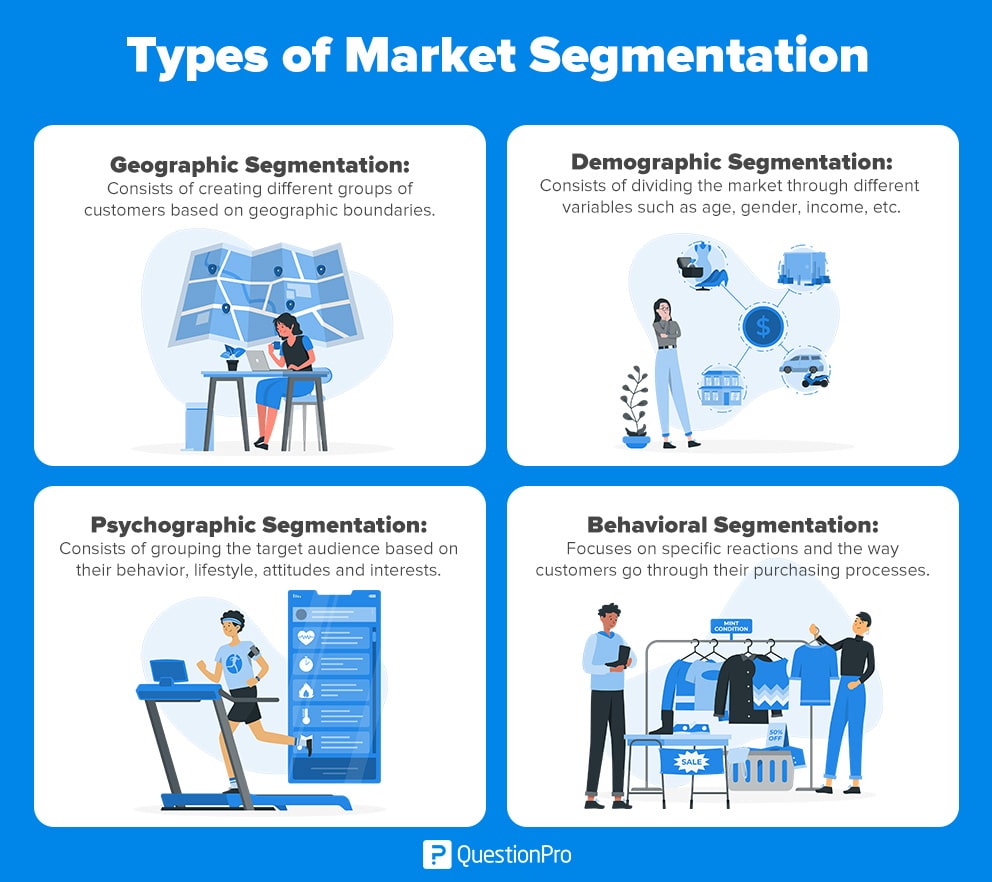
Customer segmentation is the process of dividing a customer base into distinct groups based on shared characteristics. These characteristics can include:
- Demographics: Age, gender, location, income, education.
- Psychographics: Lifestyle, values, interests, personality.
- Behavioral: Purchase history, website activity, engagement with marketing campaigns.
- Technographic: Technology adoption, device usage.
The goal of customer segmentation is to identify groups of customers with similar needs and preferences, allowing businesses to tailor their marketing messages, product offerings, and customer service strategies to each segment.
The Synergy: CRM and Customer Segmentation
The real power lies in the synergy between CRM and customer segmentation. Your CRM system provides the data necessary to effectively segment your customer base. Once you’ve identified your segments, you can use your CRM to:
- Personalize Marketing Campaigns: Send targeted emails, create personalized website experiences, and deliver relevant social media ads.
- Improve Customer Service: Provide tailored support based on customer history and preferences.
- Optimize Sales Processes: Identify high-value leads and prioritize sales efforts based on segment characteristics.
- Develop New Products and Services: Identify unmet needs within specific segments and develop products or services to address them.
Feature Comparison: Popular CRM Systems for Customer Segmentation
Choosing the right CRM system is crucial for effective customer segmentation. Here’s a comparison of some popular options, focusing on their segmentation capabilities:
| Feature | Salesforce Sales Cloud | HubSpot CRM | Zoho CRM | Microsoft Dynamics 365 Sales | Pipedrive |
|---|---|---|---|---|---|
| Segmentation Criteria | Highly Customizable, Data-Driven | Primarily Behavioral, List-Based | Rule-Based, Flexible | AI-Powered, Predictive | Deal-Driven, Customizable |
| Segmentation Depth | Deep, Granular | Moderate | Moderate | Deep, AI-Driven | Moderate |
| Ease of Use | Complex, Requires Training | User-Friendly | Moderate | Complex, Requires Training | Very Easy |
| Automation | Extensive, Workflow-Based | Strong, Marketing Automation Focused | Good, Process Automation | Extensive, AI-Driven | Good, Sales Automation |
| Reporting & Analytics | Robust, Customizable | Good, Marketing Focused | Good, Visual Dashboards | Robust, Predictive Analytics | Good, Sales Focused |
| Integration | Wide Range of Integrations | Wide Range of Integrations | Wide Range of Integrations | Wide Range of Integrations | Wide Range of Integrations |
| Pricing | High | Freemium Available, Paid Plans Expensive | Competitive | High | Mid-Range |
| Segmentation Strengths | Complex businesses with large datasets | Marketing-focused businesses, inbound marketing | Price-conscious businesses, flexible customization | Large enterprises, AI-driven insights | Sales-focused businesses, ease of use |
Use Case Scenarios: Customer Segmentation in Action
Let’s explore some practical examples of how customer segmentation can be used across different industries:
-
E-commerce: An online clothing retailer segments its customers based on purchase history, browsing behavior, and demographics. They then send personalized email campaigns featuring new arrivals that align with each segment’s style preferences. For example, customers who frequently purchase athletic wear receive emails promoting new workout gear, while those who prefer formal attire receive emails showcasing new business suits.
-
Software as a Service (SaaS): A SaaS company segments its users based on their subscription level, usage patterns, and industry. They then provide tailored onboarding experiences and support resources to each segment. For example, new users on the free plan receive a series of tutorial videos and email tips, while enterprise customers receive dedicated account managers and priority support.
-
Healthcare: A healthcare provider segments its patients based on age, medical history, and insurance coverage. They then send targeted health reminders and educational materials to each segment. For example, patients over 50 receive reminders about annual screenings, while patients with diabetes receive information about managing their blood sugar.
-
Financial Services: A bank segments its customers based on income, investment portfolio, and financial goals. They then offer personalized financial advice and investment opportunities to each segment. For example, high-net-worth individuals receive access to private banking services and exclusive investment opportunities, while younger customers receive guidance on budgeting and saving.
-
Hospitality: A hotel chain segments its guests based on their past stays, preferences (e.g., family travel, business travel), and loyalty program status. They then send personalized offers and recommendations to each segment. For example, families receive discounts on connecting rooms and access to kids’ activities, while business travelers receive upgrades and complimentary Wi-Fi.
Pros and Cons of Using CRM and Customer Segmentation
Like any business strategy, using CRM and customer segmentation has its advantages and disadvantages:
Pros:
- Improved Customer Engagement: Personalized interactions lead to higher engagement rates and stronger customer relationships.
- Increased Sales and Revenue: Targeted marketing campaigns result in higher conversion rates and increased sales.
- Enhanced Customer Loyalty: Tailored experiences foster customer loyalty and reduce churn.
- Optimized Marketing ROI: Focused marketing efforts minimize wasted resources and maximize return on investment.
- Better Product Development: Understanding customer needs allows for the development of more relevant and successful products.
- Improved Customer Service: Personalized support leads to higher customer satisfaction and faster resolution times.
- Data-Driven Decision Making: Segmentation provides valuable insights into customer behavior, enabling informed decision-making.
Cons:
- Implementation Costs: Implementing and maintaining a CRM system can be expensive, especially for small businesses.
- Data Quality Issues: Inaccurate or incomplete data can lead to ineffective segmentation and flawed marketing campaigns.
- Privacy Concerns: Collecting and storing customer data raises privacy concerns and requires compliance with data protection regulations.
- Complexity: Creating and managing complex segmentation strategies can be challenging, requiring specialized expertise.
- Over-Segmentation: Creating too many segments can lead to fragmentation and inefficient marketing efforts.
- Maintenance Overheads: CRM and segmentation strategies need continuous updating as customer behavior and market conditions change.
- Potential for Bias: Segmentation based on sensitive demographics can inadvertently lead to biased outcomes if not carefully managed.
Summary Verdict: The Power of Personalized Experiences
In conclusion, CRM and customer segmentation are powerful tools that can help businesses target the right audience and achieve significant growth. By leveraging the data within your CRM system to segment your customer base, you can deliver personalized experiences that drive engagement, increase sales, and foster loyalty.
While there are challenges associated with implementing and managing these strategies, the benefits far outweigh the risks. In today’s customer-centric world, businesses that fail to understand and cater to the unique needs of their customers will be left behind. Investing in CRM and customer segmentation is an investment in the future of your business.
Call to Action:
Ready to unlock the power of personalized experiences? Start by evaluating your current CRM system and identifying opportunities for customer segmentation. Consider the feature comparison chart above to determine which CRM system best aligns with your business needs. Develop a clear segmentation strategy based on your business goals and target audience. And most importantly, continuously monitor and optimize your efforts to ensure you’re delivering the right message to the right customer at the right time.
SEO Keywords: CRM, Customer Segmentation, Customer Relationship Management, Targeted Marketing, Personalized Marketing, Marketing Automation, Customer Data, CRM Software, Customer Engagement, Customer Loyalty, Marketing ROI, Sales Automation, Data-Driven Marketing, Audience Targeting, CRM Implementation, Customer Profiling, CRM Comparison, Segmentation Strategies, Customer Experience, Digital Marketing.